
The 2000s were an unusually important decade for Rolex. The brand entered the period with a catalogue built around long established models, then spent the next ten years introducing new movements, new materials and some of the boldest watches it had made. Looking back now, the decade feels like a bridge between the five digit Rolex era and the heavier, more technical six digit generation that followed.
For replica watch readers, these references are useful because they show how quickly small Rolex design changes can alter the character of a watch. Ceramic bezels, larger cases, polished centre links and updated bracelets are not isolated details. Together they define how a modern Rolex feels on the wrist.
Sea Dweller Deepsea 116660 and Milgauss 116400GV
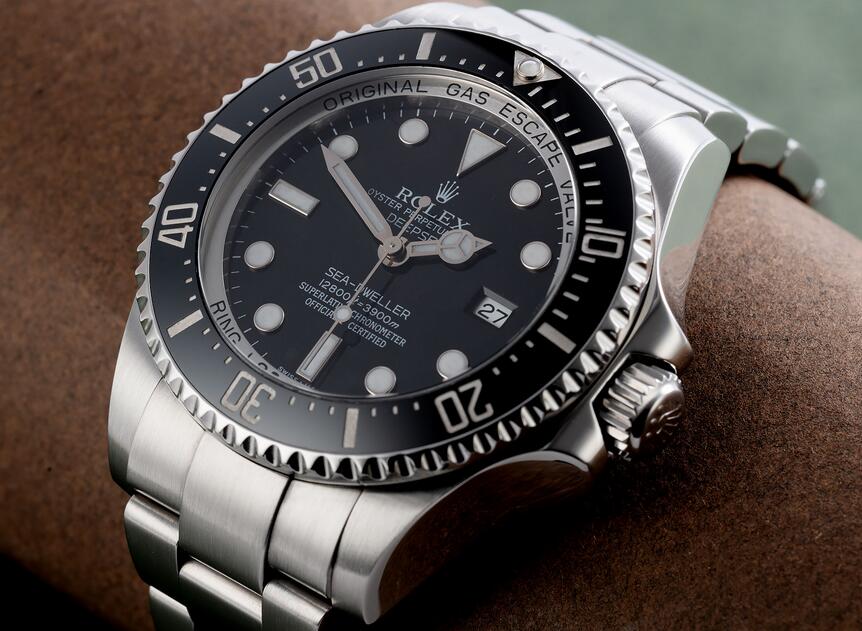
The Deepsea 116660 arrived as a major departure from the traditional Sea Dweller. Its 44mm case, thick crystal and Ringlock construction gave it a scale that no previous Rolex diver had offered. It was still recognisably part of the professional dive family, but it wore very differently from the Submariner and earlier Sea Dweller.
That makes Rolex Deepsea replica case proportions particularly important. A case that is too flat, a bezel that is too thin or a bracelet that feels too light changes the whole impression. The Deepsea works because its components are deliberately substantial.
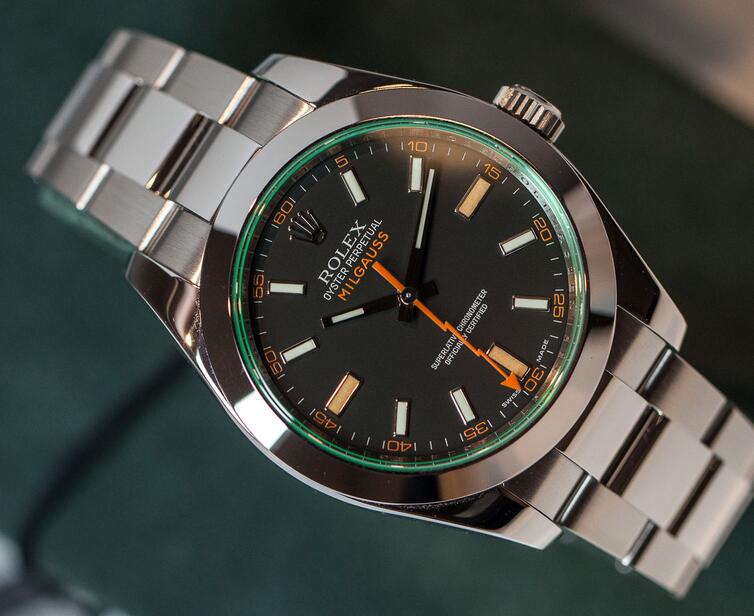
The Milgauss 116400GV went in a different direction. Its green tinted sapphire crystal, orange lightning seconds hand and black dial gave Rolex an unusually playful scientific watch. It remains one of the easiest Rolex models of the era to recognise at a glance. On replicas, the colour of the crystal and the tone of the orange details matter more than a long list of marketing specifications.
Daytona 116520 and Submariner 116610
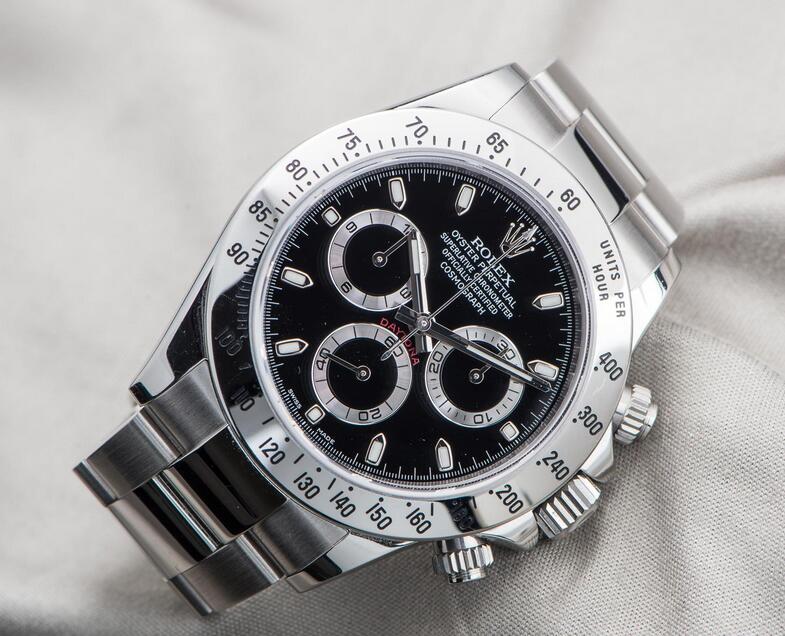
The Daytona 116520 was historically important because it introduced Rolex’s own calibre 4130 to the modern Daytona line. Visually it retained the steel bezel and 40mm proportions that many collectors now associate with the pre ceramic generation. For replica comparisons, Daytona 116520 subdial spacing and pusher shape are more revealing than broad claims about movement grade.
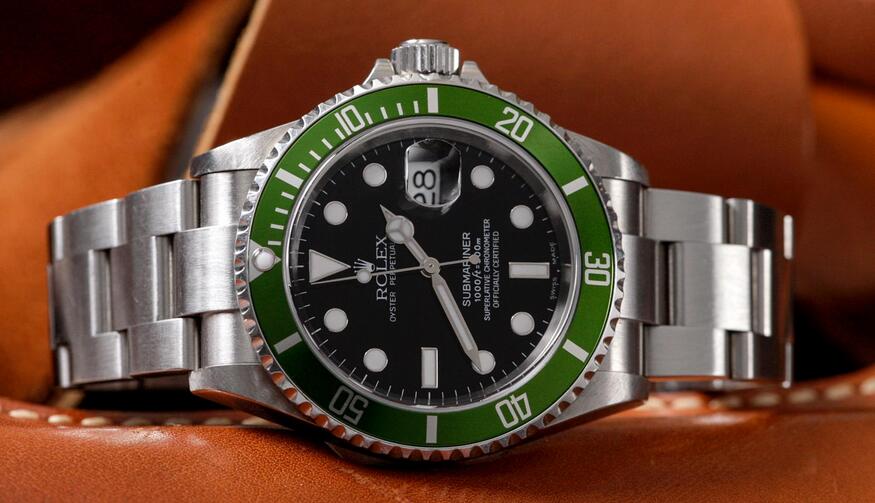
The Submariner’s transition into the six digit era was equally significant. The case became visually broader, the bracelet and clasp improved, and ceramic bezels changed the look of the watch under light. The model remained conservative, but the wearing experience was clearly more modern. Our Rolex Submariner section follows these proportion and construction differences in more detail.
GMT Master II and Yacht Master II
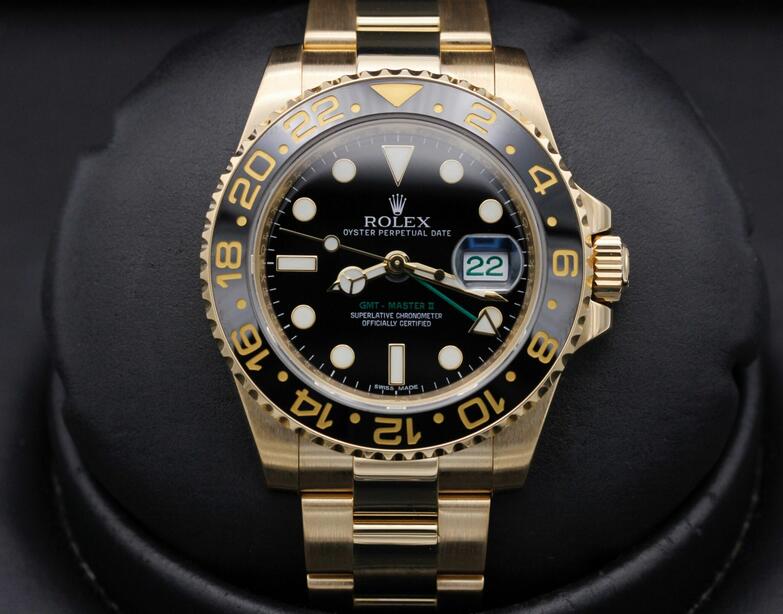
The GMT Master II also moved towards ceramic bezels and heavier case proportions during the decade. The basic travel watch idea stayed the same, but the watch looked sharper and more substantial. A convincing Rolex GMT Master II replica bezel needs the correct colour, engraving depth and alignment because the bezel dominates the face of the watch.
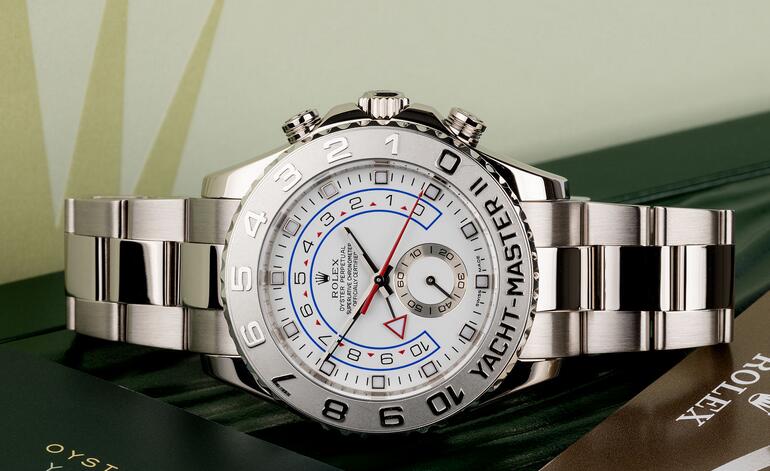
The Yacht Master II was the outlier. Large, complicated and visually loud, it introduced a programmable regatta countdown system and a bezel that forms part of the mechanism. It is one of the clearest examples of Rolex experimenting with complication and scale during this period.
These six references do not need to be called the best Rolex watches of the decade to be interesting. What matters is that each one changed the vocabulary of the brand in a different way. Together they explain why 2000s Rolex replica watches in the UK deserve to be judged by reference specific details rather than by one generic standard.
For more model history and design analysis, the ZZZX homepage collects our current Rolex coverage.